
Flowered Shortbread Rounds – The Language of Flowers
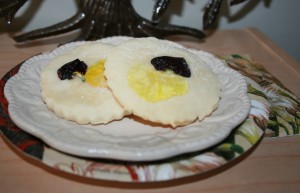
The Language of Flowers by Vanessa Diffenbaugh requires a floral treat. Luckily there are several edible flowers to incorporate into your food including: cornflower, gardenia, impatiens, lavender, nasturium, pansy, snapdragon, violet, etc. A basic, buttery shortbread is the perfect accent for sweet, tender flower petals.
 Flowered Shortbread Rounds
- ½ cup (one stick) unsalted butter, at room temperature
- ½ cup 10x confectioner sugar
- 2 cups flour
- 1 teaspoon extract of your choice (suggested: lemon extract, strawberry extract, vanilla extract, etc.)
- One package of edible flowers (organic and untreated)
Preheat the oven to 350 degrees.
Cream the butter, sugar, and extract together until thoroughly mixed.
Add flour and finish stirring by hand until incorporated. It will have a crumbly texture but will stick together when pressed.
Roll out to ¾” thickness and using a round cookie cutter cut several shortbread rounds. Reuse dough scraps to create more rounds.
Place on an ungreased cookie sheet and bake at 350 degrees for 12-15 minutes until cookies are firm.
Remove from oven and brush tops with an egg white mixture (one egg white mixed with one Tablespoon of water.) Press 1-2 flower petals onto the top of the cookie and wash once again with egg white mixture.
Sprinkle sugar over the top of each cookie and place back in the oven for 5-10 minutes more, until the edges are lightly browned.
Cool and serve.
These delicate shortbread rounds are just as good without edible flowers, but in order to enhance your floral theme for your Language of Flowers book club meeting, consider adding the flowers. The flowers add a pretty touch as well as a sweet, interesting flavor.
The Language of Flowers – Discussion Questions
Word of mouth around the brilliance and beauty of The Language of Flowers by Vanessa Diffenbaugh spread like pollen among avid readers. People were captivated by the gritty, raw look at ageing out of the foster system, yet the language and story held delicate beauty as well.
Book Synopsis
 A mesmerizing, moving, and elegantly written debut novel, The Language of Flowers beautifully weaves past and present, creating a vivid portrait of an unforgettable woman whose gift for flowers helps her change the lives of others even as she struggles to overcome her own troubled past.
The Victorian language of flowers was used to convey romantic expressions: honeysuckle for devotion, asters for patience, and red roses for love. But for Victoria Jones, it’s been more useful in communicating grief, mistrust, and solitude. After a childhood spent in the foster-care system, she is unable to get close to anybody, and her only connection to the world is through flowers and their meanings.
Now eighteen and emancipated from the system, Victoria has nowhere to go and sleeps in a public park, where she plants a small garden of her own. Soon a local florist discovers her talents, and Victoria realizes she has a gift for helping others through the flowers she chooses for them. But a mysterious vendor at the flower market has her questioning what’s been missing in her life, and when she’s forced to confront a painful secret from her past, she must decide whether it’s worth risking everything for a second chance at happiness.
From Ballantine
Discussion Questions for The Language of Flowers
Vanessa Diffenbaugh’s publisher has a nice list of discussion questions at their website. For a deeper, more personal discussion, consider adding the following:
- Flowers are often considered luxuries and frivolous. For this lost girl, why do flowers speak to her? Why does she put stock in something so temporary and fragile?
- Were you able to connect with Victoria on the page, even with her intimacy issues? Would you like her if you met her in real life? Why or why not?
- What gifts do we receive when we are flooded with early unconditional love? Can we rectify a deficit of early connections and love?
- Change is necessary in life. What is the tipping point for too much change? How important is security for growth?
- How does motherhood distill our thoughts on family? How do you think differently about motherhood before you had children and after?
- At what age is it appropriate to be considered independent and an adult? Does this age vary for people and circumstances? At what age were you entirely independent of your parents? Are parents always considered a safety net?
- What practical skills would you teach to those ageing out? (For example, cooking, taxes, self care, banking, etc.) Have you made a specific effort to teach your children these skills or do you think they pick them up through example?
- Victoria learned a lost language. Much like Latin, very few people understood the language of flowers. Why then was the inaccuracy of her language so world-changing to her?
- Have you ever had experiences with the foster care system? How can ageing out of the system be improved?
The Language of Flowers was optioned for film in 2011 but there is no current word on production (February 2013).
The author, Vanessa Diffenbaugh, is also the founder of the Camellia Network, which supports youth transitioning from foster care into independent lives.
On Wednesday, I will share the recipe for Flowered and Sugared Shortbread Rounds for your next book club.
Until then, may words nourish your soul.
Inside the Writer’s Studio
 Recently I have been addicted to DVR’d episodes of Inside the Actor’s Studio with James Lipton. I find the discussion of craft fascinating and I appreciate the honest ask-then-listen aspect. There is no drama here, just active learning.
At the end of every interview, before the guest actor answers questions from the class, James Lipton asks the same ten revelatory questions. It’s interesting to hear different actors supply diverse answers to the same basic questions.
So recently, I posted the same ten questions to my Facebook friends (and if we aren’t Facebook friends, why not?) Once again, the diversity of the answers was riveting.
Nicole’s Answers to Mr. James Lipton
1. What is your favorite word?
Uxorious. Fun to say and spell and lovely to benefit from.
2. What is your least favorite word?
Wait.
3. What turns you on?
The sound of laughter. Drum beats.
4. What turns you off?
Elitism and guilt trips
5. What sound do you love?
Nature: Wind in the trees, bird trills, water rushing. My kids cracking up. The garage door opening, indicating my husband is home. The mail truck rounding the corner.
6. What sound do you hate?
Raised, angry voices, talk radio of ANY kind, sports commentators, sugar-sweet, simpering voices (Delilah and most DJs on Christian radio), and the old dialup squawk.
7. What is your favorite curse word?
Son of a bitch. (Because I require a mouthful of words rather than one concise one.)
8. What profession other than yours would you like to attempt?
Professional speaker or seminar presenter, likely on writing.
9. What profession would you not like to do?
Anything involving driving—truck driver, taxi driver, race car driver. I am nearly phobic about cars.
10. If heaven exists, what would you like to hear God say when you arrive at the pearly gates?
Everyone is here.
So you can imagine my pleasure when my good friend, Tara at Faith in Ambiguity, tagged me a question post. I don’t think Mr. Lipton will change his questions to hers but I found them fascinating to answers nonetheless.
1. Would you ever dissect a cat—if no one was using it and it was already dead? If so, why?
Probably, provided it wasn’t a pet of mine. I am sure I could use the experience somewhere in a future book or story.
And how does one use a dead cat?
2. Are you a writer or a blogger? Does your answer affect what you do?
I am a writer with a sporadic blog. But more specifically, I am a storyteller, plotter, editor, and terrible dawdler. Actual writing time is eclipsed by my preparations and procrastinations. This is not a good habit to cultivate.
3. Sushi—yes or no?
No. An emphatic no. Fire good.
4. What sorts of things really offend you, not just on an abstract level, but in day-to-day life?
A saccharine tone of voice gooey enough to induce cavities. Myopic surety in your absolute truth when you have a 0.01% view of the world. Sense of entitlement on the road (and in other places.)
5. What’s the one secret ingredient that brings life to your cooking (or, you know, your re-heated Lean Cuisines)?
Basil. The taste is a miraculous meld of summer sunlight, verdant verve, and melancholy.
6. Santa Claus: magical childhood delight or insult to children everywhere?
A long standing tradition of story, cause and effect, and a translation of our own childhood memories.
7. Name the best piece of short fiction you’ve ever read.
Killer Heart by Barb Johnson (Glimmer Train, issue 67). I reread it often to remind myself how to portion out a story.
8. Name a novel that changed your life.
My own. Not said with conceit, but I think it is impossible to write a book without effecting how you read books. Once I wrote a complete novel length book, I understood firsthand what a challenge it was. My respect for novelists and storytellers grew exponentially with every chapter I wrestled to the ground. Great writers became gods.
9. What is the thing that everyone likes but you, and even so, you know you’re right?
Reality shows. Everyone makes their arguments for their favorites. “They are cautionary tales.” “I only watch reality shows which involved talent/home improvement/weight loss/etc.” “It’s a guilty pleasure.” But I can’t tolerate them. They are a pale facsimile of story and should instantly trigger a mental assessment for those who want to participate.
10. If you’re on the right path, will you be happy? Or are some people called to walk a harder path?
As long as I am moving, I can be happy on most paths. I hate standstill traffic—in life and metaphorically.
As for harder paths, I do not claim to understand why I won the genetic and locality lottery. By being born white and middle class in the US, I have privileges the bulk of the world can only wish for. Locality also decides your religion so I take umbrage with the idea that the American God preassigned the bulk of the world into the wrong religion and greater hardships.
11. Name a really good soup that can be bought in a can.
Bean and Bacon soup. Much like yellow powdered macaroni cheese awakens childhood taste buds; the overprocessed bean soup is the familiar road home.
Maybe Mr. Lipton should consider adding to his question repertoire.
So let me ask you a question.
What startling idea have you recently tripped over?
Night Circus – Black and White Cookies on Red Velvet
The Le Cirque des Rêves is all about black and white, night and day. But the reveurs added a dash of scarlet red, to mark themselves to each other and to stand out. These gorgeous and soft cookies are the perfect nod to The Night Circus and its reveurs.
Red Velvet Black and White Cookies
 Adapted from Rachael Ray’s recipes (March 2008)
- 1-1/2 cups flour
- 1 Tablespoon cocoa powder
- ½ teaspoon salt
- 5 Tablespoons butter, at room temperature
- ¾ cup sugar
- 1 egg
- 1 Tablespoon red food coloring (or 1 teaspoon red food paste)
- 1 teaspoon vanilla extract
- ½ cup buttermilk
Preheat the oven to 350°.
Line two baking sheets with parchment paper. (Do not substitute foil or wax paper. Parchment paper is a must.)
Beat five tablespoons of butter with the sugar until fluffy. Beat in the egg, food coloring and 1 teaspoon vanilla.
Mix in cocoa powder, baking soda and salt until smooth.
Alternate 1-1/2 cups of flour and ½ cup buttermilk until it is all incorporated without overmixing.
Spoon about a 1/4-cup of batter 3 inches apart on the parchment papered baking sheet. Bake for 12-15 minutes at 35o degrees until the center is dry.
Let cookies cool for five minutes before removing from the parchment paper.
Black and White Frosting
- 2 cups confectioners’ sugar (10x sugar)
- 2 Tablespoons light corn syrup
- 3 Tablespoons butter, room temperature
- 3/4 cup semi-sweet chocolate chips
- 1 teaspoon vanilla extract
White Frosting
Whisk together the confectioners’ sugar, 1 teaspoon vanilla, 1 Tablespoon corn syrup and 2 Tablespoons hot water until smooth.
Black Frosting
In another bowl, combine the chocolate chips, remaining 3 Tablespoons butter, and 1 tablespoon corn syrup.
Microwave until melted, about 1 minute and stir vigorously. Microwave in 10 second increments until it is fully melted.
Frost the cookies with the white frosting, only covering half of the cookie, almost to the edge. Then frost with the chocolate icing, keeping a sharp edge. Cool until set. Store in an airtight container.
These classic cookies are the perfect cookie to accompany your book club discussion of Erin Morganstern’s The Night Circus. Serve them on a bright red platter with milk, coffee, or tea. The al dente frosting breaks smoothly over the yielding red velvet cookie creating a great mouth feel.
May words nourish your soul.
Night Circus – Discussion Questions
As a fellow participant of National Novel Writing Month (NaNoWriMo), I heard Erin Morgenstern’s name before she was actually published. Her debut book, The Night Circus, created a metric ton of ballyhoo prior to publication. She was touted as the next Harry Potter, even snagging the phenomenal Jim Dale to narrate the audio version of her magical book.
And like other NaNoWriMo success stories, the overnight success was preluded by years of hard work. “A very sprawling, very rough draft of The Night Circus was first written in a few different Novembers of NaNoWriMo. Almost the entire book was rewritten and revised before it got from there to the finished version. To give you an idea of how much: Celia isn’t in that first sprawling draft. It is a lot of stuff about the circus but not a lot of plot, but it gave me something to work from,” Erin has written on her blog.
But the professional polish and imaginative story stands alone, creating a wondrous world which will lasts long past the last page.
Book Synopsis
 The circus arrives without warning. No announcements precede it. It is simply there, when yesterday it was not. Within the black-and-white striped canvas tents is an utterly unique experience full of breathtaking amazements. It is called Le Cirque des Rêves, and it is only open at night.
But behind the scenes, a fierce competition is underway: a duel between two young magicians, Celia and Marco, who have been trained since childhood expressly for this purpose by their mercurial instructors. Unbeknownst to them both, this is a game in which only one can be left standing. Despite the high stakes, Celia and Marco soon tumble headfirst into love, setting off a domino effect of dangerous consequences, and leaving the lives of everyone, from the performers to the patrons, hanging in the balance.
From Random House
Discussion Questions
Erin Morgenstern’s publisher, Random House, has a wonderful selection of book club discussion questions here. But as always, here at the Reader’s Feast, we have a few more questions to round out your discussion.
- The circus vignettes are disconnected from the narrative and written in second person, making them intimate, vivid, and memorable. Readers seldom encounter second person point of view. (Bright Lights, Big City by Jay McInerney is one of the few notable novels written in second person.) Was it jarring to you or did it draw you in? Could you imagine yourself at the circus?
- What tent or exhibition would you most want to visit? What foods would you want to taste? What feature would you avoid?
- Like magic, the story is revealed through sleights of hand—juggling the past with the present, hiding pertinent information until the last moment, and providing misdirection. How was the story enhanced (or lessened) by the tricks?
- Was it fair for the circus members to be pulled into a contract without their approval? Were the benefits (agelessness, travel, etc.) enough to outweigh the risks?
- Prospero has a mental and magical hold on Celia, including after his “death.” How can a ghost of a person be stronger than a real person?
- Marco and Celia struggle with balancing the ever-expanding circus. How is this a reflection of how we overextend ourselves?
- There are several pairings in The Night Circus. Marco and Celia, Poppet and Widget, Celia and Herr Thiessen, Marco and Isobel, and Tara and Lanie Burgess. Bailey is one of the few unpaired individuals. How does this make him different? Would he make a different decision about joining the circus if he was paired? Is Poppet enough for him or is she too closely paired to Widget to fully give herself to Bailey?
- Have you ever been behind the scenes of a circus, a play, a restaurant, a special production, etc? What was disconcerting about the behind the scene look? What took you by surprise?
- The reveurs were like followers of a cult. Today’s culture offers several cult options, such as certain events, movie franchises, some stories, etc. What elements are often found in a cult? (Some ideas: a universal truth, compelling characters, likeminded individuals, common ground, etc.)
- Who would you cast in the movie of The Night Circus, which is in the works?
- The circus would be nothing without its audience. Why do stories need to be told and heard to release their power?
The Night Circus by Erin Morgenstern is as magical as its many, varied tents. It is a book that invites us to visit repeatedly—studying for the sleights of hand, reimagining the character’s motivations and desires, and relishing its promised delicacies.
On Wednesday, I will share the recipe for Black and White Red Velvet cookies, with a nod towards the reveurs of the Le Cirque des Rêves.
Gone Girl – Mini Wedding Cakes
Readers of Gone Girl will see the irony of these sweet miniature wedding cakes when served as a book club treat. They are delicious and easy to assemble, with a subtle almond flavoring in both the cake and the petit fours frosting.
Miniature Wedding Cakes
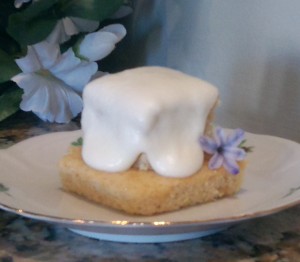 This is a basic white sheet cake, assembled into wedding cake shapes and dolloped with almond flavored frosting.
Directions
Preheat oven to 375 degrees. Spray a 15” by 10” by 1” jelly roll pan with Pam or cooking spray.
In a large saucepan, to boil:
- 1/2 cup butter
- 1/2 cup water
Remove from heat. Stir in following ingredients:
- 2 cups flour
- 1-1/2 cups white sugar
- 2 eggs
- 1/2 cup sour cream
- 1/2 cup applesauce
- 1 teaspoon baking powder
- 1/4 teaspoon baking soda
- 1 teaspoon salt
- 1 teaspoon almond extract
Once smooth, pour into the baking pan.
Bake at 375 degrees for 15-20 minutes. Cool completely.
With a greased sharp knife, cut several 3” by 3” squares and an equal number of 1” by 1” squares. For ease of frosting, place the cut squares into the freezer for about an hour while you are preparing the frosting.
Petit Fours Frosting
Mix together all of the following ingredients:
- 1/4 cup butter, melted
- 1/2 cup light corn syrup
- 1 teaspoon almond extract
- 3 cups confectioners’ sugar
- 2 Tablespoons of heavy cream
Add heavy cream, as needed to make a pourable smooth frosting.
Assemble your slightly frozen larger squares on a baking rack. Add a small amount of frosting to each one and place a smaller square on top. Using a large spoon, dollop a liberal amount of frosting over the top of each stacked square, letting it drizzle down the sides.
Let the frosting stiffen before serving. Add small decorations, if you’d like. This could include nonpareils, fresh flowers, frosting accents, etc.
The almond flavoring and sweet frosting is a definite contrast for the dark book, Gone Girl. Serve up some sweetness and light while you discussion Amy and Nick’s disturbed marriage.
Gone Girl- Discussion Questions
Gone Girl by Gillian Flynn is one of the top reads in 2012 and absolutely viral in nature. Anyone who read it was anxious to pull others into its vortex, to share in the delicious, twisted secrets. It’s distinctive cover was seen in airports, on newsstands, in doctor’s offices, and on every subway. It was inescapable—and for good reason.
Book Synopsis
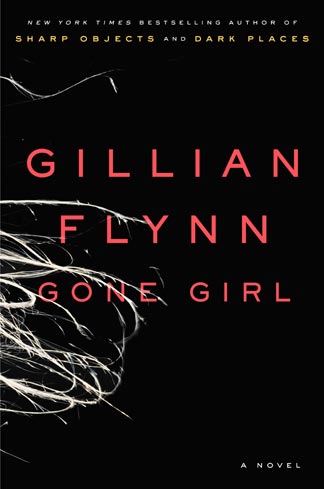 On a warm summer morning in North Carthage, Missouri, it is Nick and Amy’s fifth wedding anniversary. Presents are being wrapped and reservations are being made when Nick Dunne’s clever and beautiful wife disappears from their rented McMansion on the Mississippi River. Husband-of-the-Year Nick Dunne isn’t doing himself any favors with cringe-worthy daydreams about the slope and shape of his wife’s head, but hearing from Amy through flashbacks in her diary reveal the perky perfectionist could have put anyone dangerously on edge.
Under mounting pressure from the police and the media—as well as Amy’s fiercely doting parents—the town golden boy parades an endless series of lies, deceits, and inappropriate behavior. Nick is oddly evasive, and he’s definitely bitter—but is he really a killer? As the cops close in, every couple in town is soon wondering how well they know the one that they love. With his twin sister Margo at his side, Nick stands by his innocence. Trouble is, if Nick didn’t do it, where is that beautiful wife? And what was left in that silvery gift box hidden in the back of her bedroom closet?
Employing her trademark razor-sharp writing and assured psychological insight, Gillian Flynn delivers a fast-paced, devilishly dark, and ingeniously plotted thriller that confirms her status as one of the hottest writers around.
Discussion Questions
LitLover’s has an excellent reading guide here.
For a deeper conversation, consider these additional questions:
- Flynn reveals everyone’s character flaws piece by piece. How were you drawn in, not knowing all the facts right away? Were you anxious to learn more or irritated?
- Amy is essentially a child celebrity. In today’s fame-fueled society, do you think children are protected from or exploited for fame? Would Amy be the same person today if she wasn’t featured in her parent’s books?
- How does marriage define a spouse’s character? If you are married (or have been married), how have you been bettered by your spouse? What bad habits or character traits have you inherited?
- Can you ever truly know the other person? Have you ever been blindsided by someone? What blinds us to seeing a betrayal coming?
- Do you need a protagonist to root for? Most the characters are unlikeable. Did this diminish your enjoyment of the book or were you still fascinated?
- Was there a moment when you stopped feeling sorry for Amy? When did you start feeling sorry for Nick?
- Who would you cast in the movie roles of Nick and Amy?
- Treasure hunts are typically considered romantic, yet Amy manages to make it predatory and calculating. How does Amy’s preplanning make her crimes even more disturbing?
- Flynn has said about the ending, I wrote the ending that was the most unsettling to me. I am a big fan of the ending of unease. To me it feels real and it feels unnerving. Because you may not know exactly what is going to happen next in Gone Girl World, but you know it’s not good. What kind of endings do you like best?
Gone Girl by Gillian Flynn earned its place on The New York Times best sellers list. Because of its twisted and surprising revelations, it is this decade’s Sixth Sense, in literary form. On Wednesday, the Readable Feast will feature Wedding Cake Petit Fours.
Evil Eye
 You know the look. The one your mom gave you when you said something out of line or broke a promise. The one I’ve finely honed on my own daughter now, as she breaks the same rules I once bent to my will.
Mothers know how to speak without using a single word. They know how to pin our conscious to the board, like a butterfly skewered with a stick pin.
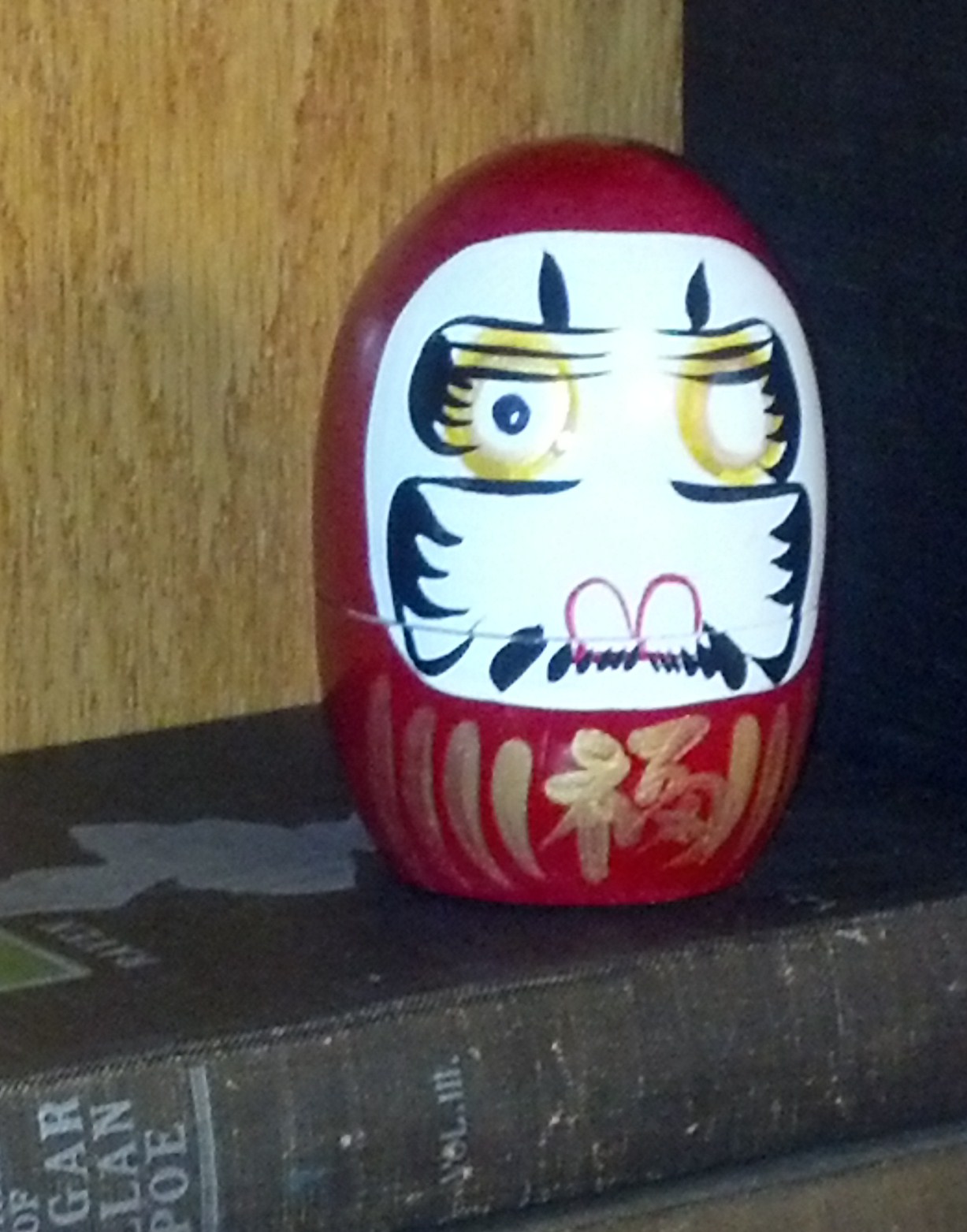
A daruma doll is a good luck charm from Japan, which incorporates a convicting singular gaze. Upon receiving an empty daruma doll, you are supposed to write a goal on a piece of paper and tuck it inside the doll. Then you fill in one eye with a pen or paint.
This is the eye which watches you.
The eye witnesses your noble attempts and your pointless hours of procrastinations.
It sees your trials, tribulations, and triumphs.
It knows your desperate heart and your self-sabotaging fears.
The doll stares, expectation in its one eye. You have made a promise by bequeathing it one pupil. It awaits the other. And only you can fulfill the promise you’ve made to yourself.
When (and if) you complete your task, the daruma doll gets its second pupil. And in this case, two eyes are less judgmental than one. The two eyes look to the future, toward a new goal. The daruma doll no longer looks to you for its completion and purpose.
Seven times down, eight times up.
A common phrase which often accompanies the daruma doll is Nanakorobi Yaoki, which means seven times down, eight times up. Since the daruma doll is rounded and weighted, it always rights itself. Another life lesson can be found in that simple concept as well.
A professional writer is an amateur who didn’t quit. -Richard Bach
What goal would you place in a daruma doll? Would you feel motivated to complete your project? Are you up or down right now? What encourages you to get back up?
Still Alice – Blueberry Buckle Bundt Cake
Take a preventative approach and create a book club menu of memory enhancing foods, including:
- Sunflower seeds
- Salmon
- Lean beef
- Rosemary
- Blueberries
- Green tea
A delicious dessert choice is a moist but firm Blueberry Buckle Bundt Cake. It is perfect with a cup of coffee or green tea. And it’s pretty as well.
Blueberry Buckle Bundt Cake
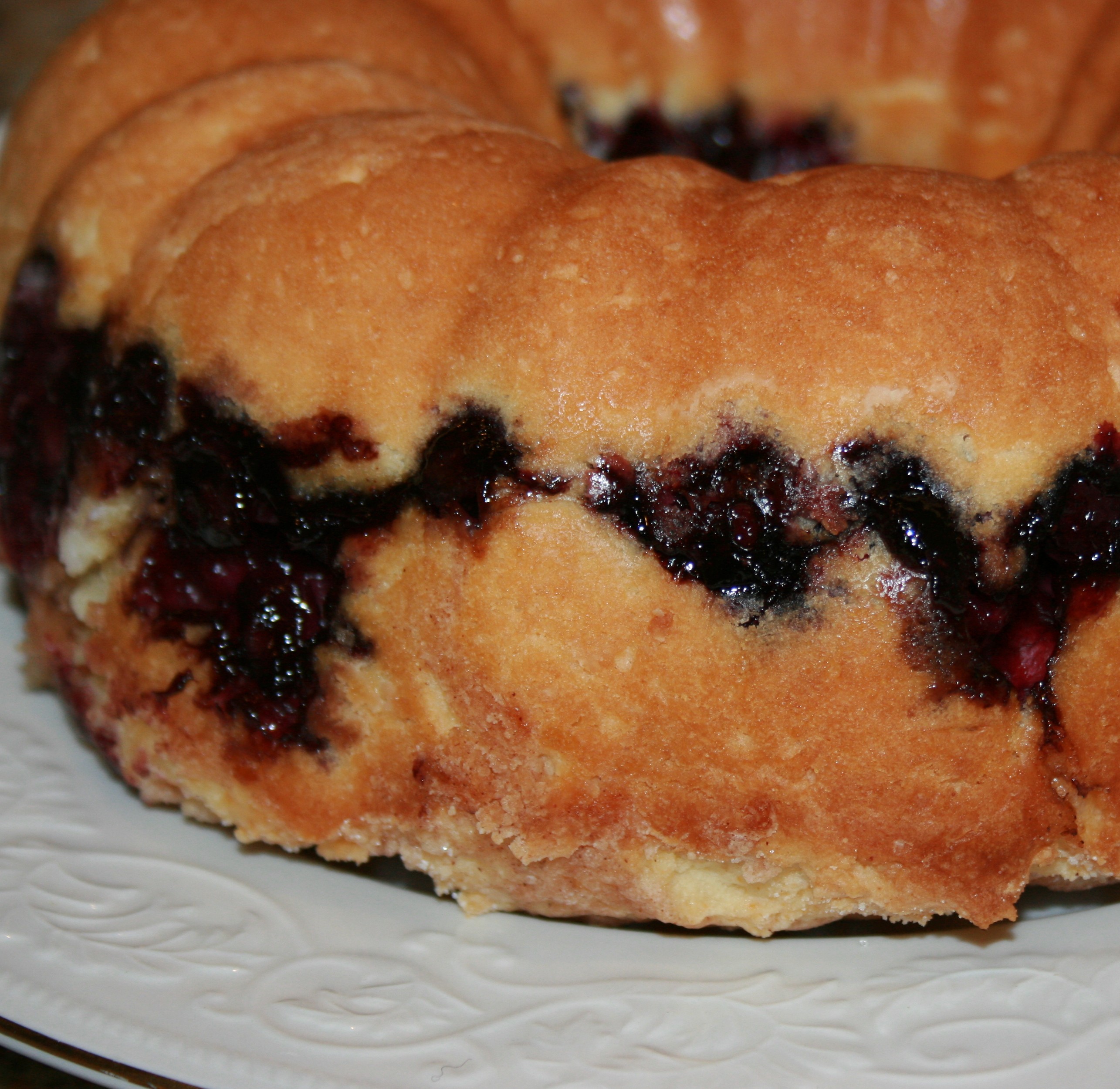 Adapted from my Aunt Carolyn’s recipe
Directions
Preheat oven at 350 degrees and grease a bundt pan.
Mix:
- 1-1/4 cup sugar
- 1 stick of butter, room temperature
- ¾ cup milk
Sift together and stir in:
- 3 cup flour
- 2 teaspoon baking powder
- ¾ teaspoon salt
Spoon half the stiff mixture into the base of the bundt pan. Pour 3 cups well drained blueberries into the pan and add the rest of the dough mixture.
Mix:
- ¾ cup sugar
- ½ cup flour
- 1 teaspoon cinnamon
- ¾ stick butter
Add crumble mixture to the top of the bundt pan and press gently. Bake at 350 degrees for 30-40 minutes. Let cool for 10 minutes before turning out.
**You can also use a flat 9 x 13” glass pan instead of the bundt pan.
Whether you choose Boston Cream Cupcakes or Blueberry Buckle Bundt cake, you are guaranteed to have a rich conversation when discussing Still Alice.
May words nourish your soul.
Still Alice – Boston Cream Cupcakes
There aren’t many foods mentioned in Still Alice so I took our book club recipes in two directions. First up is Boston Cream Cupcakes, giving homage to Alice’s familiar hometown. Tomorrow, I will post the recipe for Blueberry Buckle Bundt cake which is a top power food which enhances memory.
These cupcakes are delectable, delicious, and to die for. They are pretty as well.
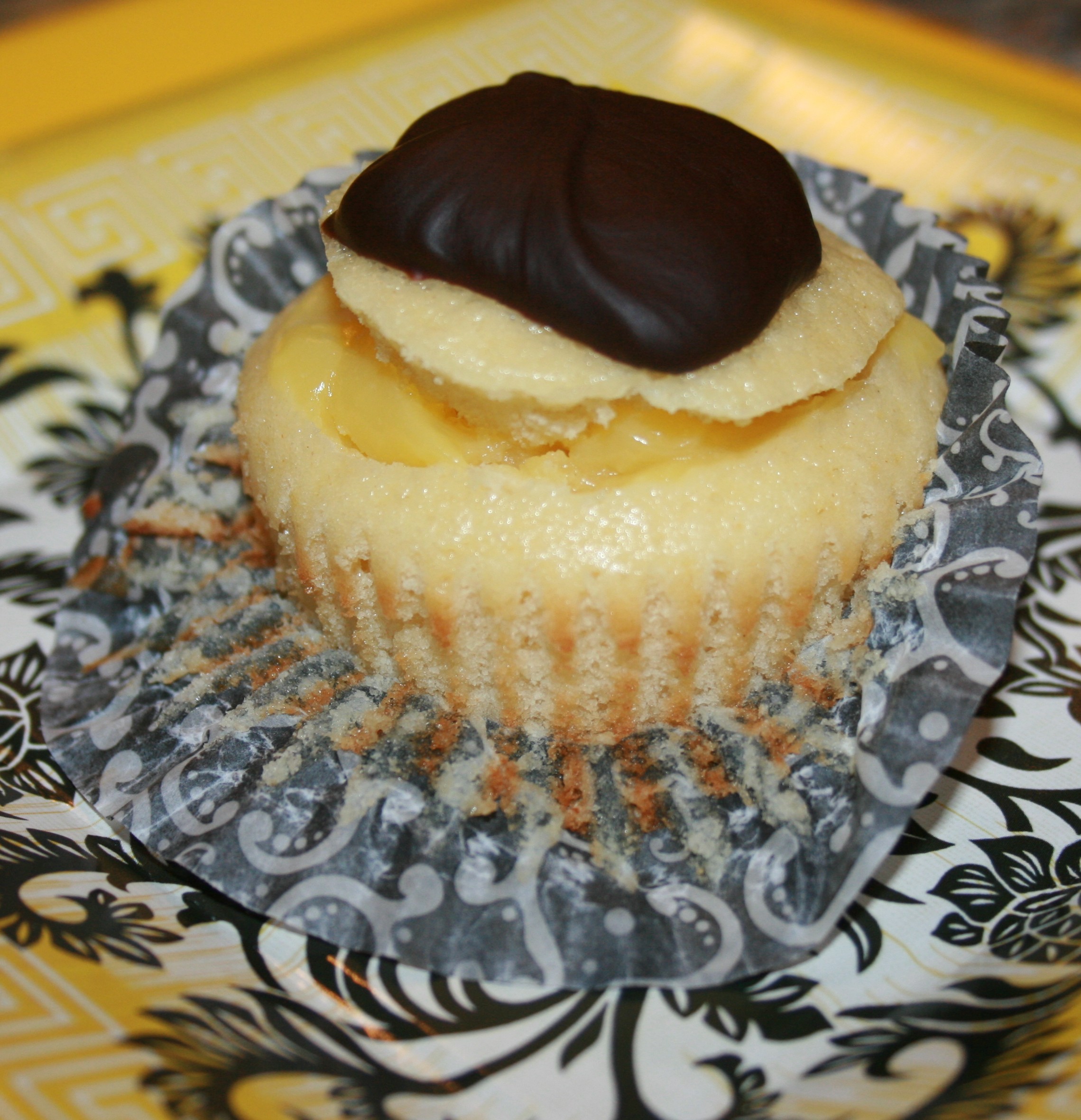 Boston Cream Cupcakes
(Adapted from Martha Stewart’s recipe)
Ingredients
1/2 cup milk
6 Tablespoon butter1-1/2 cups flour
1 cup sugar1-1/2 teaspoon baking powder
1 teaspoon salt
3 large eggs
1 teaspoon vanilla extract
Filling
1 packet instant vanilla pudding
1 cup milk
Chocolate Ganache
2/3 cup heavy whipping cream
3/4 cup chocolate chips
1 Tablespoon corn syrup
Preheat oven to 350 degrees. Prepare 24 cupcake tins with paper cups.
In a microwaveable bowl, combine butter and milk and microwave for 2 minutes.
Add flour, sugar, baking powder, and salt, mixing until smooth.
Add in eggs and vanilla extract, mixing well.
Spoon batter into muffin tins, only filling about half full.
Bake for 15 minutes at 350 degrees.
Allow to cool completely then cut out the center of each cupcake with a knife, creating a cap.
In a small bowl, mix a packet of vanilla pudding and only one cup of cold milk, stirring until thick. (This is less than the recommended amount on the box.)
Dollop pudding filling in each cupcake hole and top with the cupcake cap. Some cream will remain showing.
In a microwaveable bowl, combine chocolate chips, cream, and corn syrup. Microwave for 2 minutes, stirring gently until combined.
Drizzle the ganache over the top of each cupcake, allowing excess to run over the edges.
Let cool fully and store in the refrigerator.
These are best served after a few hours or overnight, so the chocolate hardens and the pudding moistens the cupcake. Whip these Boston Cream Cupcakes up the night before your book club meeting and wow your fellow readers.
May words nourish your soul.